The check engine light is a clue, not an answer
A code points at a system. It doesn't point at a part, and treating it like it does is how people replace the wrong thing twice.
August 19, 2026 · 4 min read
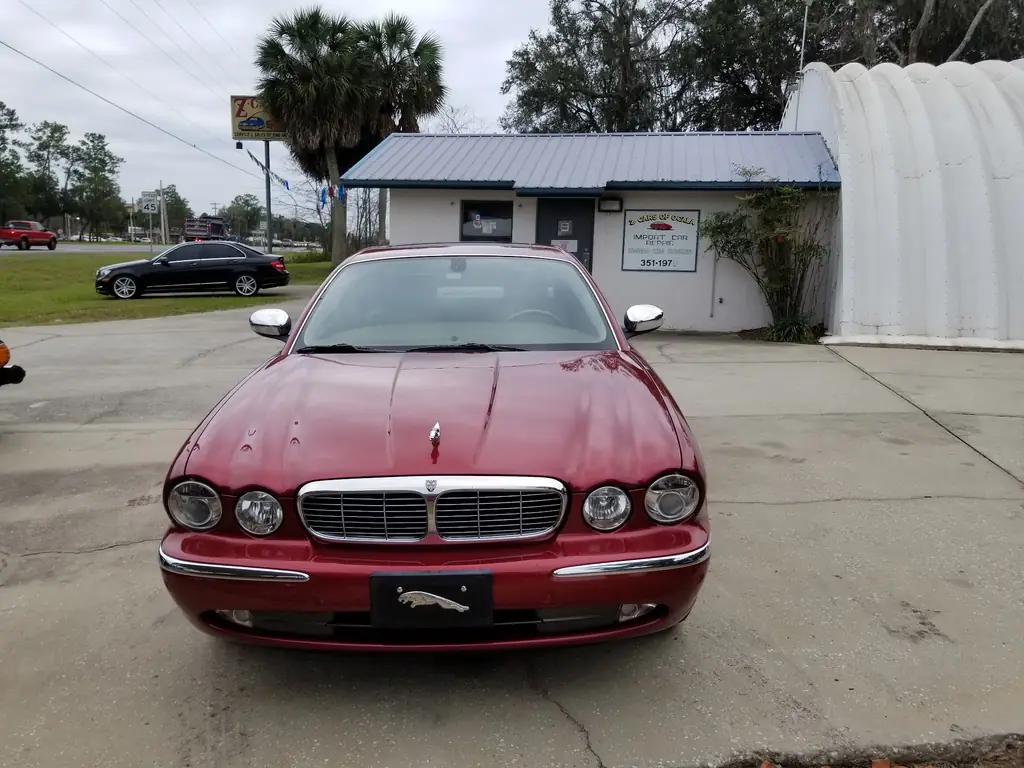
We see this a lot: someone's check engine light comes on, they pull into a parts store, and the free code reader spits out something like P0300 or P0171. The counter clerk hands over a printout and maybe a guess. What almost never gets explained is that the code names a system, not a cause. P0300 means the engine detected a random or multiple cylinder misfire. It does not tell you whether that's a coil, a plug, a fuel injector, low compression, or a vacuum leak. Buying a set of coils because the code said misfire is a coin flip, and we've replaced plenty of perfectly good parts that someone else swapped in first based on a code alone.
What a real diagnostic check involves
Pulling the code is step one, not the finish line. From there our trained technicians look at freeze frame data, which captures exactly what the engine was doing the moment the fault triggered: RPM, load, coolant temperature, fuel trims. That context usually narrows things down fast. Then it's live data and physical testing that confirms it, not more guessing:
- Fuel trim readings to see if the engine is running rich or lean and by how much
- A visual and smoke test for vacuum and EVAP leaks, which are one of the most common causes of a lean code on an import
- Compression or cylinder balance testing when a misfire won't clear with the obvious fixes
- Checking actual sensor output against expected values, not just whether the sensor is reporting at all
- A scan for pending and history codes, since a light that's on now might be the second or third problem, not the first
The easy checks before anyone opens the hood
Not every light means trouble. A loose or cracked gas cap is a genuinely common cause of an EVAP-related code, and it's the first thing worth ruling out before assuming the worst. Beyond that, though, generic parts-store scan tools only read the standard OBD-II codes that every manufacturer is required to support. A lot of European and Asian imports also run manufacturer-specific diagnostic systems underneath that, with far more detail available to a shop running the right equipment for that brand. That's a real gap between a five-minute code pull and an actual diagnostic session, and it's usually where the wrong-part-twice story starts.
Why imports need this more, not less
European and Asian imports run tighter tolerances and more integrated systems than most domestic vehicles, which means a fault in one area can throw a code that looks like it belongs somewhere else entirely. That's the whole reason we've built this shop around imports for over forty years. Our technicians have the experience to fix a European or Asian import right the first time, no matter what we find once we're actually into it. We service domestic cars too, and the same discipline applies there, but it's the imports where a code-and-guess approach costs people the most money.
Flashing versus steady, and why that distinction matters
There's a real difference between a steady check engine light and one that's flashing, and it's worth knowing before you decide how urgently to act. A steady light means the computer caught something outside normal range and wants it looked at, but the car is generally safe to keep driving to us or to work for a few days. A flashing light means an active misfire is dumping unburned fuel into the exhaust system right now, which can overheat and destroy a catalytic converter in a matter of minutes. If the light starts flashing, that's the car telling you to pull over and stop driving it, not schedule an appointment for later in the week.
What it costs to skip this step
The expensive version of this story goes: replace the part the code seemed to point at, light comes back in a week, replace a second part, light comes back again, and now you've spent three times what the actual diagnostic would have cost up front. The light itself doesn't get angrier the longer you wait, but some of the underlying causes do. A lean misfire left alone can damage a catalytic converter. A cooling-related fault ignored can turn into a much bigger repair. If the light is flashing rather than steady, that's the engine telling you to stop driving it now, not schedule a visit for next week.
Every diagnostic and repair here comes with a two year warranty on parts, and if the car isn't safe to drive in, we run 24/7 emergency towing straight to the shop. Call (352) 351-1979 and we'll find out what that light is actually telling you.
Z Cars of Ocala — (352) 351-1979
Call (352) 351-1979More articles
Why "it just needs a recharge" is rarely the whole story
The vents blow warm, someone tells you it just needs Freon, and three weeks later you're back where you started. Here's why.
Consignment or trade-in: which one actually suits you
Neither option is wrong. The wrong move is picking one without knowing what you're trading away to get it.