What a snowbird's car needs after sitting all summer
Five months in a hot Florida garage does more damage than five months on the road. Check these before you turn the key and go.
July 10, 2026 · 4 min read
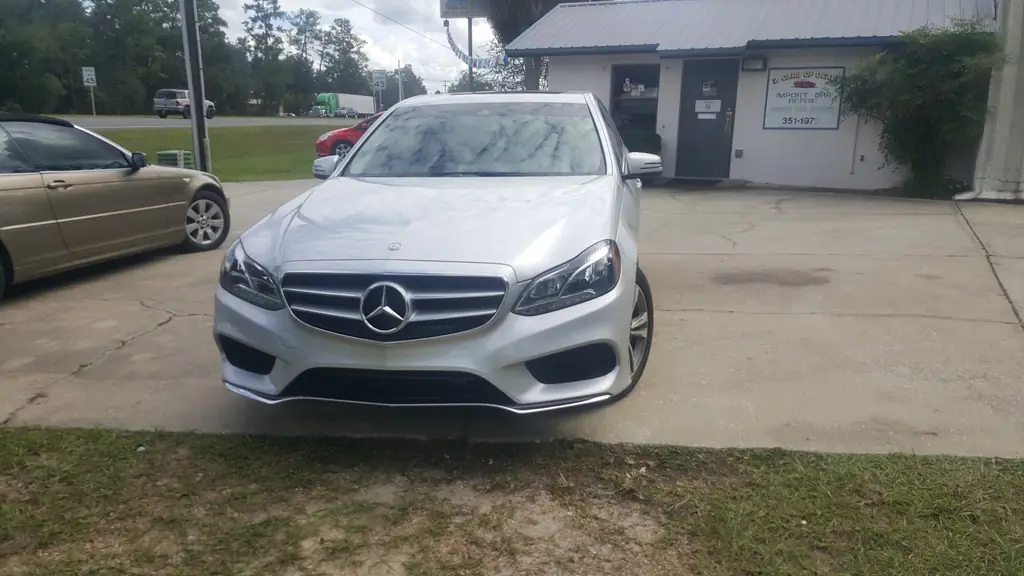
Marion County has a lot of part-time residents, and every fall the same question comes up: the car sat in the garage since May, it's finally cooling off enough to drive again, is it actually fine to just get in and go. Almost always the answer is no, not without a look first. A car sitting still in Florida heat for five months goes through more real wear than most people expect, and most of it is invisible until something fails on the road.
Fuel, battery, and tires do most of the damage
Today's ethanol-blended gas starts breaking down within a few weeks and can leave varnish and gum in the fuel lines and injectors by month five, especially in a hot garage where the fuel is warmer than it would be in a cooler climate. The battery is next: heat is harder on a battery than cold is, and a battery that sat unused and slowly self-discharged all summer may test fine on a meter and still fail the first time it has to crank a cold engine. We carry Interstate Batteries for exactly this reason, because replacing a marginal battery before a trip is a lot cheaper than a tow from the side of I-75. Tires are the third one people miss: sitting in one position for months can leave flat spots, and UV and heat exposure through a garage window accelerates sidewall cracking even on tires with plenty of tread left.
Why this hits snowbird cars harder than year-round drivers
A car driven regularly, even lightly, keeps fuel moving, keeps the battery topped up by the alternator, keeps tires rolling on a fresh contact patch, and keeps seals flexing enough to stay pliable. Take all of that away for five straight months in a hot closed garage and every one of those small ongoing processes stops at once, which is exactly why a snowbird car tends to develop several small issues in the same visit rather than one obvious problem. None of them individually is dramatic, but a car that starts hard, rides rough on flat-spotted tires, and idles poorly on stale fuel all in the same week feels a lot worse than it actually is once each piece gets addressed.
Brakes, seals, and the things Florida adds to the list
Rotors can develop a light surface rust film from humidity even inside a closed garage, which usually clears up in the first few stops but is worth checking for a stuck caliper if it doesn't. Rubber seals and gaskets dry out with disuse and heat together, and a car that never leaked a drop in April can weep coolant or oil the first week it's back on the road as those seals rehydrate and swell back to size. And this is Florida, so there's a bug problem too: love bugs swarm heavily in the fall right around when snowbirds are coming back, and a summer's worth of them baked onto a grille and AC condenser restricts airflow enough to cause overheating or weak AC performance on the first real hot drive. It's also worth popping the hood and cabin air filter housing to check for any signs of rodents or bugs that moved into a warm, quiet engine bay over five undisturbed months, which happens more often in Florida garages than people think.
- Battery load test, not just a voltage check
- Fuel system inspection if the tank was left more than a third full or less than a quarter
- Tire pressure, tread, and a look at the sidewalls for cracking
- Brake inspection including a look for surface rust and a check that calipers release cleanly
- Radiator and AC condenser check for love bug buildup and airflow
- A look under the hood and in the cabin air intake for nesting or debris
The five minutes before you leave in the spring that pay off in the fall
A lot of this is easier to prevent than to fix. If you're heading north for the summer, a fuel stabilizer added before a full tank, tires set to the correct pressure or a touch over, and either a battery disconnect or a trickle charger on a timer will save the car from most of what does the damage. Parking on a moisture barrier or at least not directly on bare concrete in a humid closed garage helps too, since ground moisture works its way up into brake components over a long enough stay. None of this takes more than a few minutes before you head out, and it turns the fall check-up from a repair visit into a formality.
None of this takes long to check, and it's a lot cheaper to catch here than sixty miles up 441 with a warning light on and a rental car waiting. Bring it by before your first real drive of the season and call (352) 351-1979 to get it looked over.
Z Cars of Ocala — (352) 351-1979
Call (352) 351-1979More articles
Why "it just needs a recharge" is rarely the whole story
The vents blow warm, someone tells you it just needs Freon, and three weeks later you're back where you started. Here's why.
The check engine light is a clue, not an answer
A code points at a system. It doesn't point at a part, and treating it like it does is how people replace the wrong thing twice.